

Is Microsuction Ear Wax Removal a Safe Option for You
Ear wax buildup is a common issue that affects many people at some point in their lives. While ear wax plays a protective role, excessive accumulation can cause discomfort, hearing difficulties, and even infections. When it comes to removing ear wax, microsuction has become a popular method. But is microsuction ear wax removal safe? This post explores the safety, benefits, and considerations of microsuction to help you decide if it is the right choice for you.
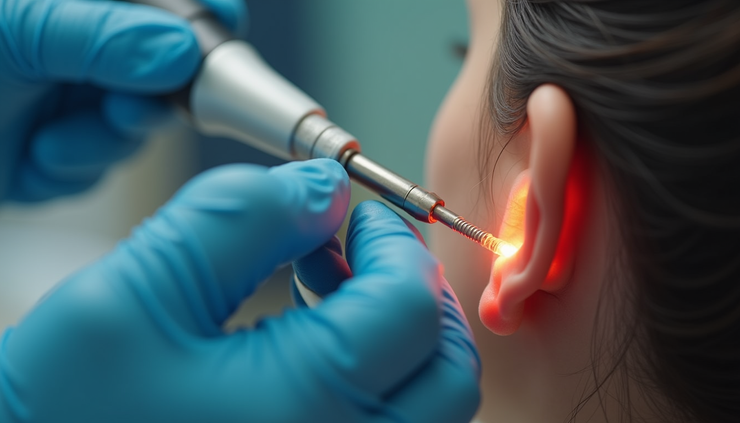
What Is Microsuction Ear Wax Removal?
Microsuction is a technique that uses a small, gentle vacuum device to remove ear wax from the ear canal. Unlike traditional methods such as ear syringing or using cotton buds, microsuction does not involve water or pushing wax deeper into the ear. The procedure is performed under direct vision with the help of a microscope or a magnifying device, allowing the practitioner to see exactly what they are doing.
This precision reduces the risk of injury to the ear canal or eardrum. The suction device carefully lifts and removes wax without causing discomfort or damage. Microsuction is typically done by trained ear care professionals in a clinical setting.
Why Do People Choose Microsuction?
Many people seek microsuction because it offers several advantages over other ear wax removal methods:
Immediate results: The wax is removed during the session, and hearing often improves right away.
No water involved: This is safer for people with ear infections, perforated eardrums, or sensitive ears.
Less discomfort: The procedure is usually painless and well tolerated.
Safe for most people: Microsuction can be used on children, adults, and those with certain ear conditions.
Quick procedure: Sessions typically last 15 to 30 minutes.
These benefits make microsuction a preferred choice for many patients and healthcare providers.
How Safe Is Microsuction Ear Wax Removal?
Microsuction is considered a safe and effective method when performed by a qualified professional. The use of a microscope or magnification allows the practitioner to avoid contact with the delicate skin of the ear canal and the eardrum. This reduces the risk of injury compared to other methods.
Safety Factors to Consider
Professional expertise: The procedure should be done by someone trained in ear care and microsuction techniques.
Proper equipment: Using a high-quality suction device and microscope is essential.
Patient suitability: Some ear conditions may require alternative approaches.
Hygiene standards: Sterile equipment and a clean environment prevent infections.
When these factors are met, microsuction has a very low risk of complications.
Who Should Avoid Microsuction?
While microsuction is safe for most people, certain conditions may make it unsuitable:
Active ear infections: The procedure could worsen the infection.
Perforated eardrum: Although microsuction is safer than syringing, care is needed.
Recent ear surgery: Healing tissues may be sensitive.
Severe ear canal eczema or inflammation: The skin may be too fragile.
If you have any of these conditions, consult your healthcare provider before choosing microsuction.
What to Expect During a Microsuction Session
Understanding the procedure can ease any concerns you may have:
Assessment: The practitioner examines your ear with an otoscope or microscope.
Preparation: You sit comfortably, and the equipment is set up.
Removal: The suction device is gently inserted into the ear canal under magnification.
Wax extraction: The wax is carefully suctioned out in small amounts.
Final check: The ear is inspected to ensure all wax is removed.
Most people feel little to no discomfort. Some may experience a slight tickling or suction sensation.
Benefits Compared to Other Methods
Microsuction offers clear advantages over traditional ear wax removal techniques:
| Method | Safety Level | Comfort | Effectiveness | Suitable for Sensitive Ears |
|------------------|-----------------------|-------------------|---------------------|-----------------------------|
| Microsuction | High | High | Immediate and thorough | Yes |
| Ear Syringing | Moderate (risk of perforation) | Moderate (water discomfort) | Good but may require multiple sessions | No |
| Cotton Buds | Low (risk of pushing wax deeper) | Variable | Often ineffective or harmful | No |
| Ear Drops | Safe but slow | High | May take days or weeks | Yes |
Microsuction’s precision and safety make it a preferred option for many patients.
Aftercare and Possible Side Effects
After microsuction, most people can resume normal activities immediately. Some may notice:
Mild ear canal irritation or redness
Temporary sensitivity to loud sounds
Slight dizziness (rare)
These effects usually resolve quickly. If you experience pain, discharge, or hearing loss after the procedure, contact your healthcare provider.
How to Find a Qualified Microsuction Provider
Choosing a skilled professional is key to a safe and effective microsuction experience. Look for:
Registered ear care specialists or audiologists
Clinics with good reviews and clear hygiene protocols
Providers who offer a consultation before the procedure
Transparent pricing and clear explanations of the process
At Littleborough Ear Care, trained specialists provide microsuction with care and precision, ensuring patient safety and comfort.
When to Seek Professional Ear Wax Removal
If you experience any of the following, consider professional ear wax removal:
Hearing loss or muffled sounds
Earache or discomfort
Feeling of fullness or blockage in the ear
Tinnitus (ringing in the ear)
Dizziness or balance problems
Avoid trying to remove wax yourself with cotton buds or other objects, as this can cause injury or worsen the problem.


Comments